Water Forward 2026: Why Water Is Becoming the New Engine of Agricultural Jobs in Africa
Across Africa, millions of jobs are waiting to be unlocked by one critical factor: reliable access to water.
5/8/20243 min read
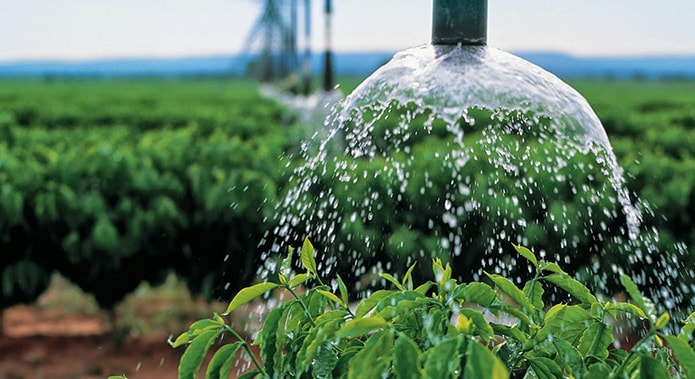
Water is no longer just a natural resource. It is a powerful economic driver. Globally, an estimated 1.7 billion jobs depend directly on water across agriculture, energy, industry, and services.
In Africa, however, limited access to reliable water continues to constrain productivity, investment, and job creation. This challenge is particularly critical in agriculture, which remains the backbone of many African economies. In Sub-Saharan Africa, more than half of all jobs are linked to agriculture, and in some countries such as Ethiopia, Niger, and Malawi, the sector employs up to 70 percent of the population.
Despite this, nearly 95 percent of agricultural land in Africa relies solely on rainfall. This dependence exposes farmers to climate variability, reduces yields, and creates income instability. As a result, the continent struggles to fully unlock its agricultural potential, even as food demand is expected to increase by more than 60 percent by 2050.
This situation reveals a striking paradox. Africa possesses significant water resources, yet they remain unevenly distributed and underutilized. Less than 6 percent of cultivated land on the continent is irrigated, compared to over 40 percent in Asia. Africa accounts for only 3 percent of the world’s irrigated land. In West Africa, irrigation rates can fall below 2 percent in some areas.
Countries such as Morocco and Egypt have demonstrated how strategic investment in irrigation can transform agricultural productivity and create more resilient farming systems. In contrast, high-potential economies like Côte d’Ivoire, Ghana, and Nigeria remain largely dependent on rainfall, limiting their ability to scale production and create jobs.
The link between water, agriculture, and employment is direct and powerful. When farmers gain access to reliable irrigation, productivity increases, harvest cycles become more predictable, and opportunities expand beyond primary production. Agro-processing industries begin to grow, logistics networks develop, and export capacities strengthen. Each step in this value chain generates employment.
Côte d’Ivoire offers a clear example. As the world’s leading producer of raw cashew nuts, the country supports more than one million people in the sector. It is also a major producer of mangoes. However, much of the value remains untapped due to limited local processing and continued dependence on rain-fed agriculture. Expanding irrigation systems could significantly increase yields, improve quality, and extend production periods. This, in turn, would stimulate job creation not only in farming, but also in processing, transportation, and international trade.
Similar dynamics can be observed in other African countries. In Kenya, investment in irrigation has supported a thriving horticulture sector, employing hundreds of thousands of people and generating strong export revenues, particularly to European markets. In Ethiopia, large-scale irrigation and agricultural modernization efforts have enabled the development of commercial farming zones and increased rural employment.
Recognizing these opportunities, the Water Forward initiative aims to reposition water management at the center of economic development strategies. One of the key barriers to progress has not only been technical but also institutional. Fragmented policies, limited financing, and weak coordination between stakeholders have slowed down the implementation of large-scale water projects.
Water Forward seeks to address these challenges by mobilizing public and private investment, strengthening partnerships, and supporting coordinated reforms. The goal is to transform water systems into engines of job creation and long-term prosperity.
For governments, this means prioritizing infrastructure and creating enabling environments for investment. For the private sector, it represents a significant opportunity to participate in the development of irrigation systems, agro-industrial projects, and agricultural value chains. For development partners, it calls for more integrated and scalable approaches.
Investing in water is not only a matter of sustainability. It is a strategic economic decision. In many contexts, each dollar invested in irrigation can generate multiple times its value in economic returns through increased productivity, higher incomes, and expanded employment.
Africa stands at a critical turning point. With a rapidly growing population, a rising demand for food, and vast agricultural resources, the continent has the potential to become a global agricultural powerhouse. Achieving this vision will depend on one essential factor: the ability to secure and manage water effectively.
Water Forward 2026 signals a shift in perspective. It highlights the need to see water not just as a resource to be managed, but as a catalyst for jobs, growth, and economic transformation across Africa.
#WaterForward #Agriculture #Africa #AgriBusiness #WaterSecurity #Irrigation #FoodSecurity #EconomicGrowth #SustainableDevelopment #ClimateAction
Author: Kouyo Elisabeth Keturah, CEO, K.Agriculture Media